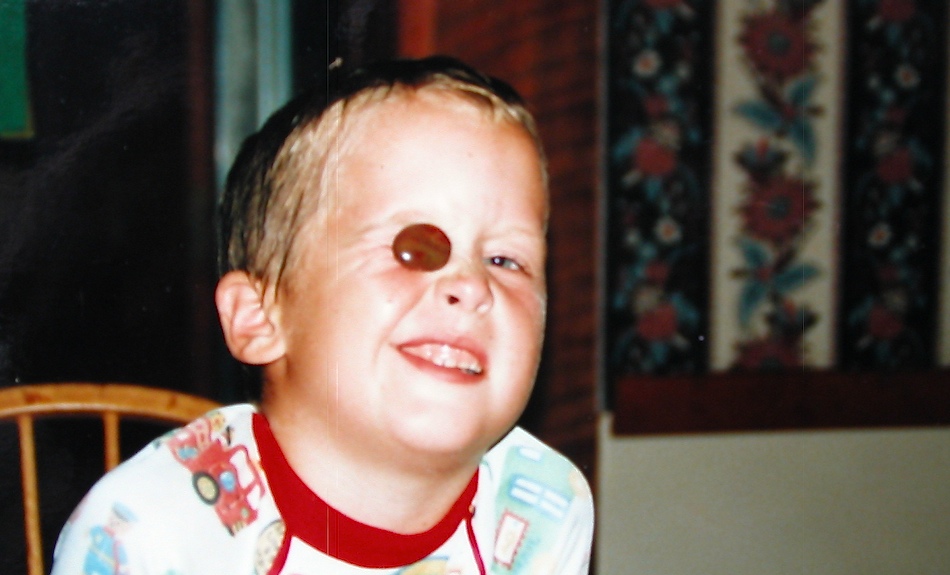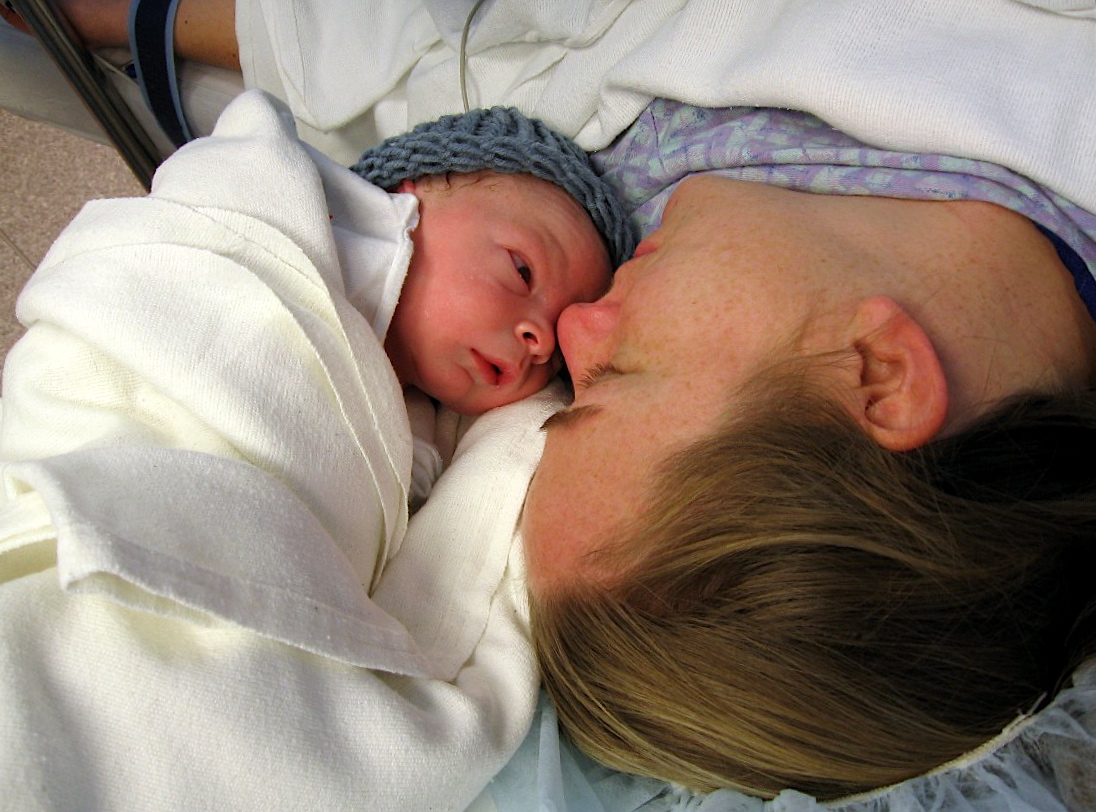
Patrick Woods, son of Patrick and Sarah Woods, five minutes old. (Sarah’s Linda’s daughter and smiling Dan’s step daughter.)
Patrick Woods, son of Patrick and Sarah Woods, five minutes old. (Sarah’s Linda’s daughter and smiling Dan’s step daughter.)
Art Buchwald
Several of my friends have persuaded me to write this final column, which is something they claim I shouldn’t leave without doing.
There comes a time when you start adding up all the pluses and minuses of your life. In my case I’d like to add up all the great tennis games I played and all of the great players I overcame with my now famous “lob.” I will always believe that my tennis game was one of the greatest of all time. Even Kay Graham, who couldn’t stand being on the other side of the net from me, in the end forgave me.
I can’t cover all the subjects I want to in one final column, but I would just like to say what a great pleasure it has been knowing all of you and being a part of your lives. Each of you has, in your own way, contributed to my life.
Now, to get down to the business at hand, I have had many choices concerning how I wanted to go. Most of them are very civilized, particularly hospice care. A hospice makes it very easy for you when you decide to go.
What’s interesting is that everybody has his or her own opinion as to how you should go out. All my loved ones became very upset because they thought I should brave it out — which meant more dialysis.
But here is the most important thing: This has been my decision. And it’s a healthy one.
The person who was the most supportive at the end was my doctor, Mike Newman. Members of my family, while they didn’t want me to go, were supportive, too.
But I’m putting it down on paper, so there should be no question the decision was mine. I chose to spend my final days in a hospice because it sounded like the most painless way to go, and you don’t have to take a lot of stuff with you.
For some reason my mind keeps turning to food. I know I have not eaten all the eclairs I always wanted. In recent months, I have found it hard to go past the Cheesecake Factory without at least having one profiterole and a banana split.
I know it’s a rather silly thing at this stage of the game to spend so much time on food. But then again, as life went on and there were fewer and fewer things I could eat, I am now punishing myself for having passed up so many good things earlier in the trip.
I think of a song lyric, “What’s it all about, Alfie?” I don’t know how well I’ve done while I was here, but I’d like to think some of my printed works will persevere — at least for three years.
I know it’s very egocentric to believe that someone is put on Earth for a reason. In my case, I like to think I was. And after this column appears in the paper following my passing, I would like to think it will either wind up on a cereal box top or be repeated every Thanksgiving Day.
So, “What’s it all about, Alfie?” is my way of saying goodbye
Dear Michael,
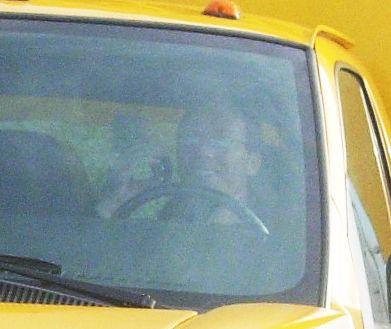
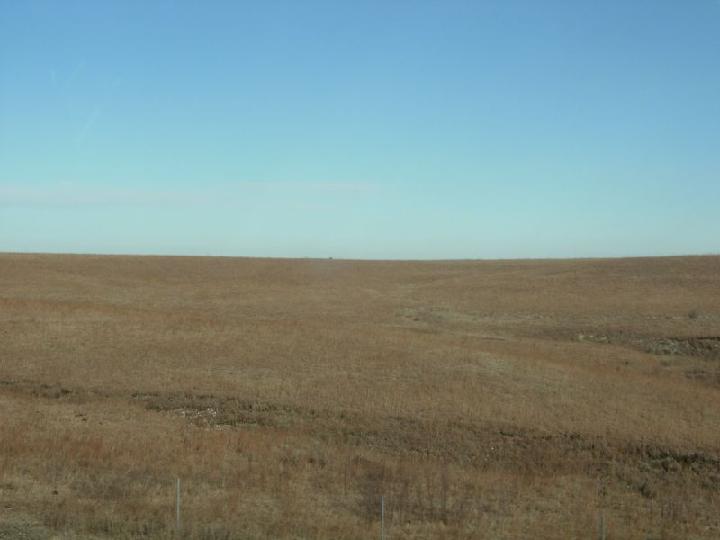
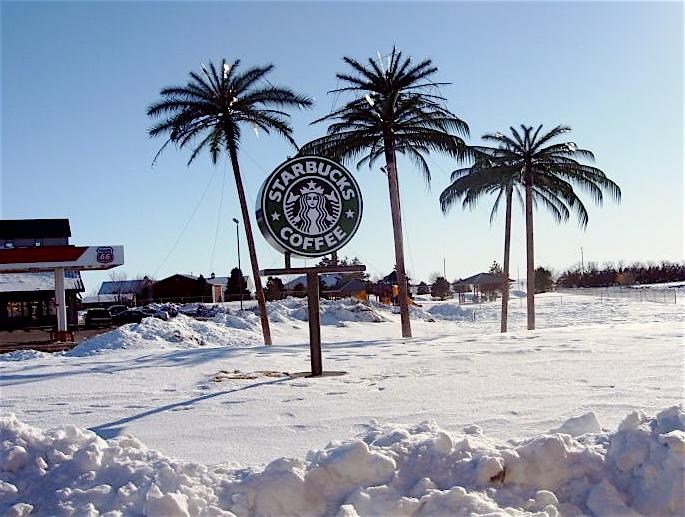
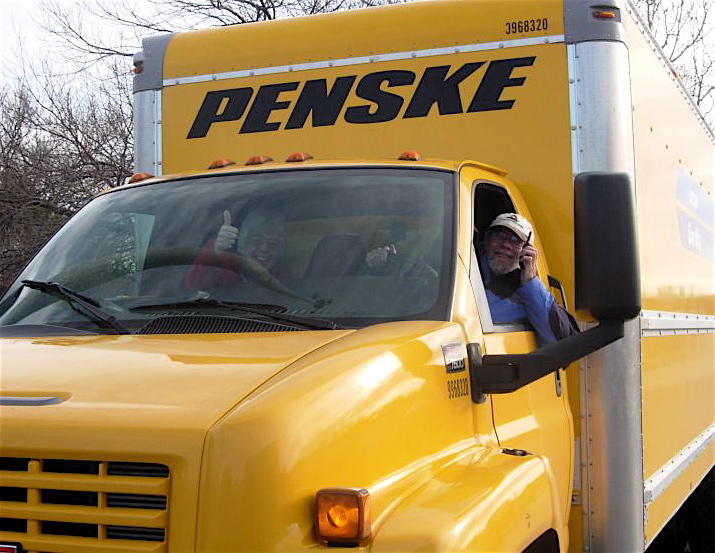
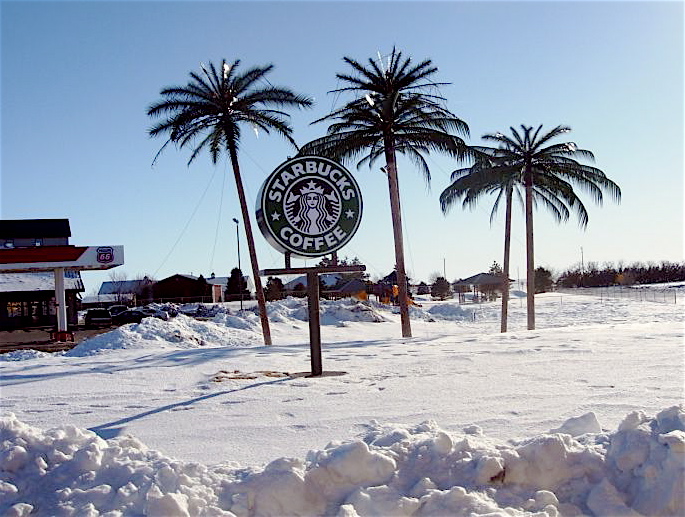
As we departed our Topeka motel with fearless driver Patrick manning the truck, we all realized that today would be the last day of our journey into the golden west. We’d been watching the weather channel each night, and now examined the grasslands closely for the promised signs of snow. On and on we drove through the endless prairies , livened only by the occasional oil well drilling into the earth with its proboscus driving into the flesh of the earth like a giant mosquito. Aha! Near Abilene (birthplace of Dwight D. Eisenhower, according to the informative billboards) we started to see patches of snow on the northward slopes around the road. The snow gradually became more extensive, until about 100 mi from the Colorado border the snow was continuous, covering the corn stubble in the farms to either side. We stopped at a Starbucks surrounded by oddly situated pseudo palms in the snow.
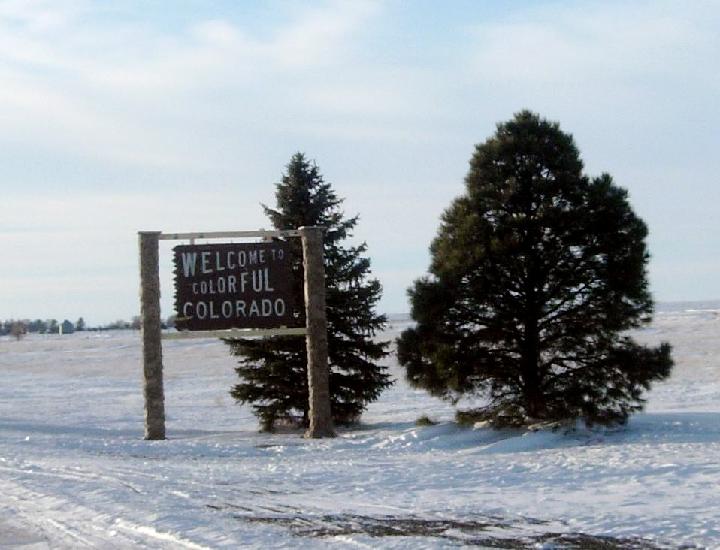
The wind gusted enough to make the truck steering a little dicey. At one point we slowed to a crawl seeing cars strewed in random directions on the road. There had been ground blizzards, and ice on the road made a couple of cars spin out of control, one in the median strip gully, and the other in the ditch to the right. Luckily for them, some kind soul in a pickup was using a chain to drag cars back onto the road. By the time we left Kansas at the “Welcome to Colorful Colorado” sign the road was clear, but the wind continued to gust.
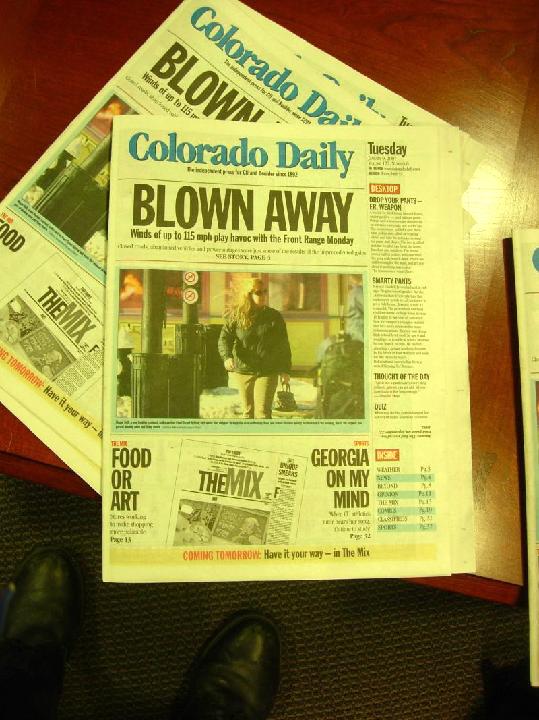
Unknown to us, roads into Boulder were beginning to be closed due to high winds. At about the time we hit the Denver-Boulder turnpike, I 25 was closed between Denver and Fort Collins due to ground blizzards. Colo. 119 between Golden and Boulder was closed, as was the Longmont-Boulder “diagonal” highway. Blissfully ignorant of this, we tooled into Boulder onto the Foothills Parkway, turned East on Valmont road, and a few minutes later we were parking the car at Edison and Galileo streets opposite our Darwin Ct home. We’d been hearing about the 48 in of snow Boulder had had over the past 3 weeks. It was too dark to see, but maybe in the morning we’d see some big drifts.
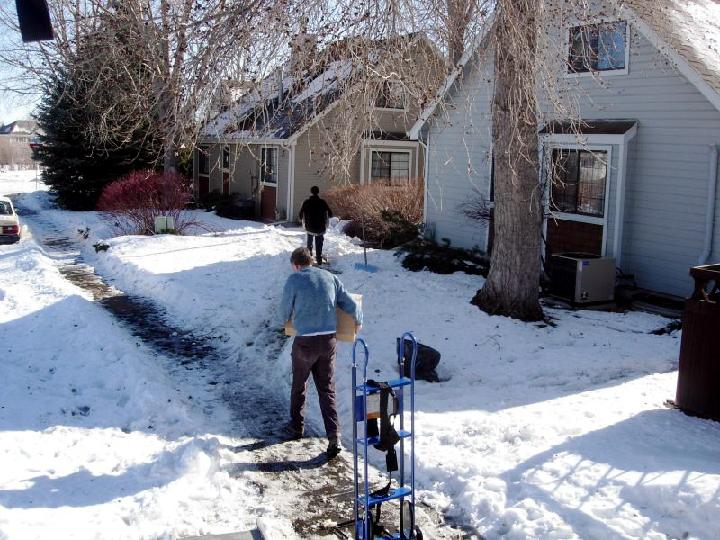
Using the keys that our friend Fred Thrall had been keeping for us, we hauled in our foam pads, blankets and sleeping bags, and hit the hay. That night the banshees woke us up with their howls. Through the skylights over our bed we could see the bare limbs of trees swinging around, but no wind damage was done in our neighborhood. The wind speed got up to 115 mph , so it was a true “Chinook” (a down-slope over 90 mph). The next day dawned clear and warm, a perfect day for unloading the truck (that doesn’t look like 48 in of snow!) . Elsewhere in the Boulder area, some home and cars had been damaged by flying debris, but we saw no obvious damage ourselves. Patrick drove up to Lake Eldora ski area for a few hours of well-earned snow boarding. Our skier friends, Chuck & Esther, said that Eldora probably has the best snow in Colorado right now. Considering the poor snow in the East and in Europe, it may be the best snow in the world!
By early afternoon, with the help of Boulder friends and a couple of hired kids, we filled the house with boxes. In the coming weeks it would be like Christmas every day, with hundreds of boxes containing only dimly guessed stuff which we can open at our leisure, being surprised over and over again.
rakkity & the Mrs
We won’t get a phone until 8 am, Jan 15 (303 449 2125). DSL will be available from 5 pm (we hope).
rakkity’s first snow pics:
Dear J & K,
I slept the sleep of the dead – I didn’t stoke one fire, surf one site, boil one pot of tea. But best of all, having gathered all that knowledge at your house, I dismantled the tub/shower valve here at the Fairfield Inn and soaked in truly hot water.
Michael
First, her tippet made of tulle,
easily lifted off her shoulders and laid
on the back of a wooden chair.
And her bonnet,
the bow undone with a light forward pull.
Then the long white dress, a more
complicated matter with mother-of-pearl
buttons down the back,
so tiny and numerous that it takes forever
before my hands can part the fabric,
like a swimmer’s dividing water,
and slip inside.
You will want to know
that she was standing
by an open window in an upstairs bedroom,
motionless, a little wide-eyed,
looking out at the orchard below,
the white dress puddled at her feet
on the wide-board, hardwood floor.
The complexity of women’s undergarments
in nineteenth-century America
is not to be waved off,
and I proceeded like a polar explorer
through clips, clasps, and moorings,
catches, straps, and whalebone stays,
sailing toward the iceberg of her nakedness.
Later, I wrote in a notebook
it was like riding a swan into the night,
but, of course, I cannot tell you everything –
the way she closed her eyes to the orchard,
how her hair tumbled free of its pins,
how there were sudden dashes
whenever we spoke.
What I can tell you is
it was terribly quiet in Amherst
that Sabbath afternoon,
nothing but a carriage passing the house,
a fly buzzing in a windowpane.
So I could plainly hear her inhale
when I undid the very top
hook-and-eye fastener of her corset
and I could hear her sigh when finally it was unloosed,
the way some readers sigh when they realize
that Hope has feathers,
that reason is a plank,
that life is a loaded gun
that looks right at you with a yellow eye.
Billy Collins
First, her tippet made of tulle,
easily lifted off her shoulders and laid
on the back of a wooden chair.
And her bonnet,
the bow undone with a light forward pull.
Then the long white dress, a more
complicated matter with mother-of-pearl
buttons down the back,
so tiny and numerous that it takes forever
before my hands can part the fabric,
like a swimmer’s dividing water,
and slip inside.
You will want to know
that she was standing
by an open window in an upstairs bedroom,
motionless, a little wide-eyed,
looking out at the orchard below,
the white dress puddled at her feet
on the wide-board, hardwood floor.
The complexity of women’s undergarments
in nineteenth-century America
is not to be waved off,
and I proceeded like a polar explorer
through clips, clasps, and moorings,
catches, straps, and whalebone stays,
sailing toward the iceberg of her nakedness.
Later, I wrote in a notebook
it was like riding a swan into the night,
but, of course, I cannot tell you everything –
the way she closed her eyes to the orchard,
how her hair tumbled free of its pins,
how there were sudden dashes
whenever we spoke.
What I can tell you is
it was terribly quiet in Amherst
that Sabbath afternoon,
nothing but a carriage passing the house,
a fly buzzing in a windowpane.
So I could plainly hear her inhale
when I undid the very top
hook-and-eye fastener of her corset
and I could hear her sigh when finally it was unloosed,
the way some readers sigh when they realize
that Hope has feathers,
that reason is a plank,
that life is a loaded gun
that looks right at you with a yellow eye.
Billy Collins
The Wind is ghosting around the house tonight
and as I lean against the door of sleep
I begin to think about the first person to dream,
how quiet he must have seemed the next morning
as the others stood around the fire
draped in the skins of animals
talking to each other only in vowels,
for this was long before the invention of consonants.
He might have gone off by himself to sit
on a rock and look into the mist of a lake
as he tried to tell himself what had happened,
how he had gone somewhere without going,
how he had put his arms around the neck
of a beast that the others could touch
only after they had killed it with stones,
how he felt its breath on his bare neck.
Then again, the first dream could have come
to a woman, though she would behave,
I suppose, much the same way,
moving off by herself to be alone near water,
except that the curve of her young shoulders
and the tilt of her downcast head
would make her appear to be terribly alone,
and if you were there to notice this,
you might have gone down as the first person
to ever fall in love with the sadness of another.
Billy Collins
My father will have a dialysis shunt inserted in his neck and will be transferred out of the ICU today. He can hear and understand and nod and even smile sometimes. He has a long way to go, but for now he’s headed in the right direction.
To the extent three brothers could, my father’s finances are mostly in order.
I’m heading home, but don’t mistake this early departure for my traditional one day marathon. I’ll be home by Friday evening.
There could hardly be better friends or people than Jeff and Karen.
by Julia Kasdorf
Among the first we learn is good-bye,
your tiny wrist between Dad’s forefinger
and thumb forced to wave bye-bye to Mom,
whose hand sails brightly behind a windshield.
Then it’s done to make us follow:
in a crowded mall, a woman waves, “Bye,
we’re leaving,” and her son stands firm
sobbing, until at last he runs after her,
among shoppers drifting like sharks
who must drag their great hulks
underwater, even in sleep, or drown.
Living, we cover vast territories;
imagine your life drawn on a map–
a scribble on the town where you grew up,
each bus trip traced between school
and home, or a clean line across the sea
to a place you flew once. Think of the time
and things we accumulate, all the while growing
more conscious of losing and leaving. Aging,
our bodies collect wrinkles and scars
for each place the world would not give
under our weight. Our thoughts get laced
with strange aches, sweet as the final chord
that hangs in a guitar’s blond torso.
Think how a particular ridge of hills
from a summer of your childhood grows
in significance, or one hour of light–
late afternoon, say, when thick sun flings
the shadow of Virginia creeper vines
across the wall of a tiny, white room
where a girl makes love for the first time.
Its leaves tremble like small hands
against the screen while she weeps
in the arms of her bewildered lover.
She’s too young to see that as we gather
losses, we may also grow in love;
as in passion, the body shudders
and clutches what it must release.
.jpg)